

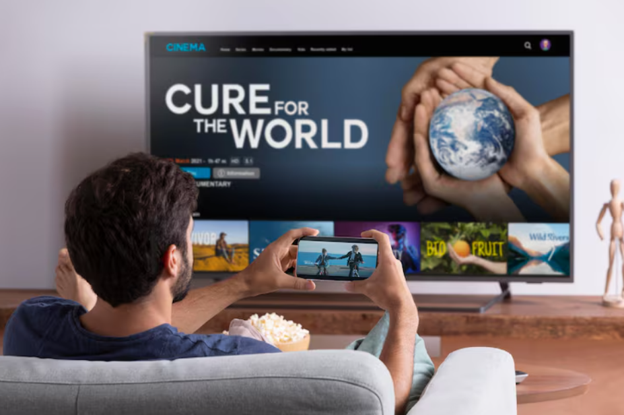
Smart TVs promise a lot. Apps everywhere, menus that glow, a remote with more buttons than a cockpit. Yet plenty of owners still use only two or three apps, because adding new ones feels confusing. With epix iptv, the goal is simple: live channels on the big screen without extra boxes.
Every brand does things a little differently, and that is the annoying part. Menus move, names change, and steps shift between models. This walkthrough sticks to ideas that apply almost everywhere. Read it once, then follow along with your own remote. Small wins add up quickly.
Smart TV Basics Before Starting
Check three things first. Is the TV connected to the internet? Is its software up to date? Does it have some free storage? Old software blocks installs surprisingly often, and nobody thinks to look there.
Next, open the epix iptv premium streaming setup page, since it points to the player this service uses. Read what it says about your device type. Some TVs install apps directly, while others need a workaround. Knowing which group yours falls into saves an afternoon of poking around blindly.
Finding the Right App Store
Every smart TV has its own store. Samsung, LG, Android TV, and others all keep apps in different corners. Look for a shopping bag icon or a section called Apps. It usually sits on the main home row.
Use the search box and type the player name from the setup page. If it appears, great. If not, do not panic. Some models simply lack it. In that case, a small streaming stick plugged into the HDMI port gives you a friendlier system, and they are cheap enough to be a fair fix.
Installing the Player on Screen
Once you find it, press Install and wait. Larger apps take a minute or two. Do not switch inputs or turn off the TV mid-download, because that can leave a half-finished install that behaves oddly.
After it finishes, open the app from your list. Some TVs put new apps at the very end of the row, which feels like hide and seek. Move it to the front if the system allows that. Fewer button presses later, and a happier thumb after a long evening.
Adding Your Login Information
Now the typing begins. TV keyboards are slow. If your remote has voice input, try it. Some brands also offer a phone app that turns your phone into a keyboard, which is a real gift here.
Enter your username, password, and any server address exactly as your provider wrote them. Capital letters matter, and so do stray spaces. If the login fails, clear the fields and retype from scratch. Guessing which bit was wrong usually wastes more time than starting fresh.
Making Playback Run Smoothly
Streaming quality depends on your connection. Wi-Fi works, but a network cable is steadier for live TV, especially during big matches when everyone in the house is online. If the TV sits near the router, plug it in.
Close other apps running in the background. Some TVs keep several open and slowly choke on them. Restart the TV every week or so. It clears small glitches before they grow into a headache, and it costs nothing but ten seconds of waiting.
Small Tweaks for Better Viewing
Take a moment to look at picture settings. Many TVs default to a bright showroom mode that makes skin look orange. Switch to a movie or standard mode and things calm down at once. Your eyes will thank you.
Set favorites inside the app as well. Star the channels you watch daily and skip the endless scrolling. Add subtitles if you like them. A quick round of tweaks on the first evening makes the whole setup feel personal, not like something borrowed from a stranger.
Conclusion
Setting this up on a smart TV is mostly about patience. Check your software, find the right store, install the player, and log in carefully. The exact button names change, but the order stays the same across nearly every brand.
When you need current instructions or help, visit epixiptv.com for the latest details. Apps get updated and menus shift, so a fresh look before you begin is smart. Take it one screen at a time, and soon the remote will feel a lot less scary.